
In the 21st century, 21st century home health care isn’t just about sending a nurse to someone’s front door anymore. It’s become a dynamic ecosystem driven by technology, empathy and smarter ways of delivering care right where people feel safest: at home. As populations age and medical needs grow more complex, innovations in home health are not only making care more effective — they’re strengthening communities and improving quality of life.
At its core, modern home health care blends clinical expertise with human connection. It’s not simply about monitoring vital signs; it’s about giving people the freedom to live their daily lives while receiving the support they need. Organizations supported by a skilled home care consultant are helping health care providers adopt these innovations in practical, patient-centered ways that keep families at the center of care, much like the strategic guidance offered by leading 21st century consultants.
Personalization Through Technology
One of the biggest shifts we’re seeing is in how data and technology work together to make care highly personalized. Wearable devices and smart sensors can now continuously monitor health indicators like heart rate, blood pressure, glucose levels, and sleep patterns — all without much effort from the patient. When these devices detect a concerning trend, alerts can be sent instantly to care teams, prompting timely support without waiting for scheduled visits. This kind of remote patient monitoring helps catch issues early, often before they turn into emergencies.
What this means for someone living with a chronic condition is dramatic. Instead of periodic check-ups that might miss fluctuations in health, care becomes continuous and proactive. Remote monitoring also gives clinicians a fuller picture of someone’s daily health patterns, allowing them to adjust treatments with more precision, a hallmark of effective 21st century home health delivery.
Virtual Care and Telehealth
Telehealth gained prominence during the COVID-19 epidemic, which was a time when visits to the doctor were not available. The event was the catalyst for a lasting shift in the way that virtual care has become an essential component in home healthcare. Through chat and video calls or secure online portals, patients can interact with their doctors in real-time, examine symptoms, modify medications, and give reassurances from a distance.
Virtual care isn’t a replacement for every visit, but it’s a powerful tool in community health. It reduces travel time for patients with mobility challenges, lowers the risk of infection exposure and often ensures that concerns are addressed before they escalate. In underserved or rural areas where access to specialists is limited, virtual appointments expand access to quality care regardless of location — an approach often implemented with the help of experienced 21st century health care consultants.
AI and Predictive Analytics
Artificial intelligence (AI) has become a game-changer in how home health professionals anticipate and respond to patient needs. Predictive analytics — which uses historical and real-time data to forecast health events — allows caregivers to intervene before health crises occur. For example, AI systems can identify patterns that suggest a patient may be at risk of falls, infections, or sudden deterioration.
Some tools even project hospitalizations weeks before they might happen, giving families and care teams the chance to adjust support or bring in additional resources. This kind of foresight helps keep patients safe in their communities. It reduces the strain on emergency services, a transformation frequently guided by forward-thinking 21st century consultants.
Hospital-At-Home Models
Where once the only option for acute care was a hospital stay, innovative “hospital-at-home” models are now bringing many aspects of hospital care into a patient’s residence. These services offer treatments like IV therapy, wound care, and specialized nursing visits that previously required inpatient stays.
A home environment can be more comforting and conducive to recovery for many people. Reducing hospital admissions not only lowers the risk of infections and stress but also frees up facility resources for patients who truly need inpatient care. Many providers work alongside a knowledgeable home care consultant to design these programs safely and effectively.
Integrated Care Platforms
Keeping track of medical records, appointments, medications, and care plans used to involve a lot of manual paperwork and coordination between multiple providers. Now, integrated care platforms unify clinical, operational, and administrative data in one place. These systems help caregivers, families and clinicians stay on the same page and reduce gaps in care.
This is especially important for patients with complex or chronic conditions who see multiple specialists or require multidisciplinary support. When everyone involved in a person’s care has real-time access to the same information, it cuts down on errors. It ensures smoother transitions between services — a key area where 21st century health care consultants provide implementation expertise.
Community-Centered Support Networks
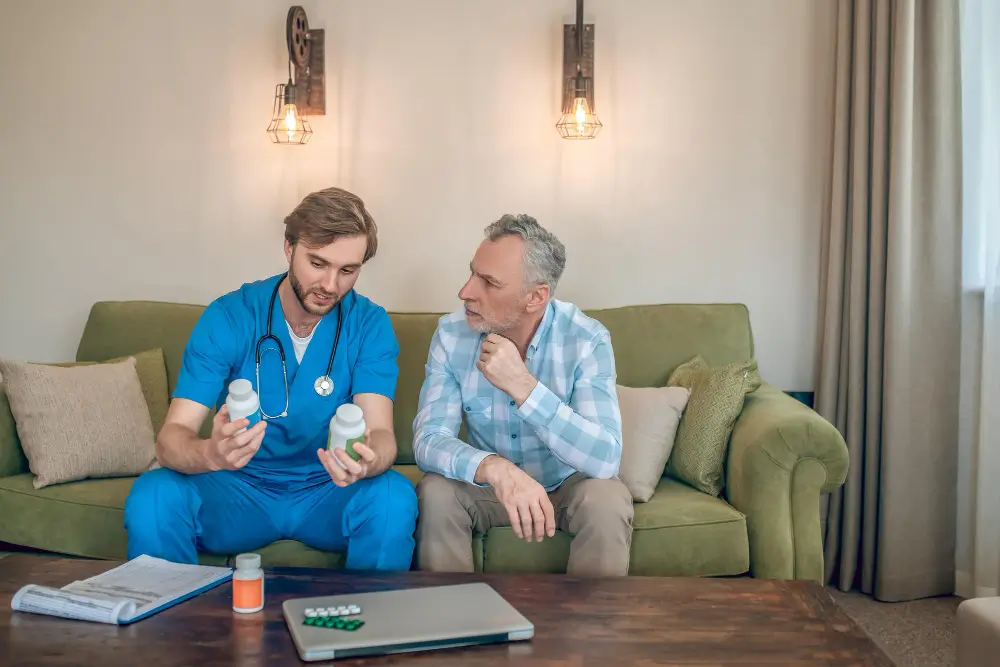
Innovations aren’t limited to gadgets and apps. Many programs focus on strengthening the fabric of community care itself. Collaborative models — where nurses, social workers, family caregivers, and community health officers work together — are emerging as powerful ways to support long-term health. These teams don’t just manage medical needs; they provide education, emotional support, and guidance that help people thrive in their neighborhoods.
For instance, home-based palliative care pilots are being launched that involve multidisciplinary teams visiting patients regularly to manage pain, symptoms, and emotional distress in a setting that feels familiar and respectful.
Keeping the Human Touch
In all this innovation, the human connection remains the cornerstone of quality care. Technology can monitor data and flag alerts, but compassion, active listening, and empathy are what build trust and make patients feel truly supported.
Home health nurses and caregivers often develop deep relationships with the people they support. They see patients in the context of their lives — their homes, routines, and personal goals. This view allows them to tailor care plans that respect preferences, encourage independence, and honor dignity.
Organizations that guide agencies through integrating new tools and care philosophies — like MSM Consulting — play an essential role here. They help providers implement innovations without losing sight of the personal, everyday realities that make care meaningful for patients and their families.
Challenges and the Road Ahead
Despite all these advances, challenges remain. Workforce shortages, uneven access to broadband or technology, and regulatory complexity can slow down the adoption of new models. Addressing these hurdles requires collaboration between health systems, policymakers, tech developers, and local communities.
Still, the trajectory is clear. Home health care — informed by thoughtful innovation and grounded in human values — is becoming a central pillar of how we care for each other. Whether it’s delivering hospital-level services at home, using AI to prevent crises, or simply making sure someone has a trusted person to talk to each day, the focus is on quality of life and dignity.
As we move further into this century, innovations in home health care will continue improving not just clinical outcomes but the everyday experiences of individuals and families across communities. Ready to strengthen your home health operations with the right guidance and support? Connect with the experts today — Mail Us at books@medicalstaffingmanuals.com or Call 1-888-425-9444 to get started.
Frequently Asked Questions:-
Q. What is 21st-century home health care?
Ans. It refers to modern, technology-supported care delivered in a patient’s home, combining remote monitoring, telehealth, and personalized treatment plans to improve safety and comfort, often delivered through advanced 21st century home health models.
Q. How does remote patient monitoring help patients?
Ans. Remote monitoring tracks vital signs and health data in real time, allowing care teams to identify issues early and respond quickly before conditions worsen, typically designed and implemented with guidance from a qualified home care consultant.
Q. Is home health care as effective as hospital care?
Ans. For many conditions, home-based care can be just as effective, and sometimes safer, because it reduces infection risks and allows recovery in a familiar environment, which is why many providers partner with experienced 21st century consultants to structure these programs.
Q. Who can benefit from modern home health services?
Ans. Seniors, individuals with chronic illnesses, post-surgical patients, and those needing ongoing rehabilitation often benefit the most from home-based support delivered through coordinated, patient-focused systems.
Q. How do home health providers maintain quality and compliance?
Ans. Agencies follow clinical standards, use integrated care systems, train staff regularly, and collaborate with 21st century health care consultants to ensure regulations, performance benchmarks, and patient safety guidelines are consistently met.
